Unveiling The Truth Behind The Transformation
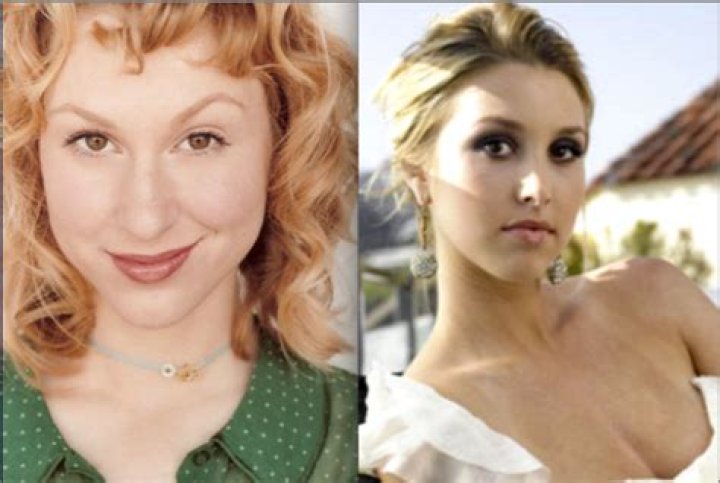
Whitney Port Nose Job refers to the cosmetic surgery procedure undergone by American television personality Whitney Port to alter the appearance of her nose. Rhinoplasty, commonly known as a nose job, involves reshaping the nose's structure to enhance its aesthetic appeal or address functional issues related to breathing or nasal congestion.
Port's decision to undergo rhinoplasty sparked media attention and public discussion about the societal pressures surrounding plastic surgery and the pursuit of an idealized beauty standard. While some individuals criticized her choice, others expressed support for her decision to prioritize her own self-image and well-being.
The topic of "whitney port nose job" gained prominence within popular culture, highlighting the broader cultural fascination with celebrity transformations and the influence of mass media on shaping societal norms around physical appearance.
Whitney Port Nose Job
Whitney Port's decision to undergo rhinoplasty has garnered significant public attention, highlighting the pervasive cultural fascination with celebrity transformations and societal pressures surrounding beauty standards. Here are ten key aspects related to "whitney port nose job":
- Celebrity Culture: Port's status as a public figure fueled media coverage and public scrutiny of her decision.
- Plastic Surgery Prevalence: Rhinoplasty is a common cosmetic procedure, reflecting the widespread societal acceptance of plastic surgery.
- Beauty Standards: Port's decision to alter her appearance raises questions about the influence of idealized beauty standards.
- Personal Choice: Port's decision ultimately reflects her individual choice to prioritize her own self-image.
- Public Scrutiny: Celebrities' decisions regarding their appearance are often met with public judgment and criticism.
- Media Influence: Media coverage of Port's rhinoplasty shapes public perceptions and influences cultural norms.
- Self-Esteem and Body Image: Plastic surgery can impact individuals' self-esteem and body image, both positively and negatively.
- Mental Health: Underlying mental health issues may influence individuals' decisions to undergo plastic surgery.
- Cultural Norms: Societal attitudes towards plastic surgery vary across cultures and time periods.
- Ethical Considerations: The ethics of plastic surgery, including potential risks and benefits, warrant careful evaluation.
These aspects collectively contribute to a nuanced understanding of the topic "whitney port nose job." They underscore the complex interplay between celebrity culture, societal pressures, personal choices, and the pursuit of idealized beauty standards. The case of Whitney Port serves as a microcosm of the broader cultural fascination with physical transformation and the ongoing dialogue surrounding the ethics and implications of plastic surgery.
Celebrity Culture
Whitney Port's decision to undergo rhinoplasty gained significant public attention due to her status as a public figure. As a television personality and fashion designer, Port's life and appearance are under constant media scrutiny. Her decision to alter her appearance became a topic of discussion and debate in the media, with news outlets and entertainment shows covering the story extensively.
The public's fascination with celebrities and their personal lives contributes to the media coverage and public scrutiny surrounding their decisions. In Port's case, her decision to undergo rhinoplasty sparked discussions about the societal pressures surrounding plastic surgery and the pursuit of an idealized beauty standard. Some individuals criticized her choice, while others expressed support for her decision to prioritize her own self-image and well-being.
The connection between celebrity culture and public scrutiny is significant because it highlights the influence of the media on shaping societal norms and values. The media's focus on celebrities' physical appearance can create unrealistic expectations and contribute to a culture of body dissatisfaction and self-objectification. It is important to critically evaluate the media's portrayal of beauty and to recognize that celebrities are individuals who are also affected by societal pressures.
Plastic Surgery Prevalence
The prevalence of rhinoplasty, including Whitney Port's decision to undergo the procedure, reflects the widespread societal acceptance of plastic surgery. Rhinoplasty is one of the most common cosmetic surgical procedures performed globally, with millions of individuals opting to reshape their noses for aesthetic or functional reasons.
This societal acceptance stems from several factors, including the growing popularity of plastic surgery as a means of enhancing physical appearance and self-confidence. The media's portrayal of plastic surgery as a solution to perceived flaws and the rise of social media platforms where individuals share their experiences and results further contribute to its normalization.
The connection between plastic surgery prevalence and Whitney Port's nose job is significant because it highlights the broader cultural context surrounding cosmetic procedures. Port's decision to undergo rhinoplasty is not an isolated incident but rather part of a larger trend reflecting societal attitudes towards plastic surgery.
Beauty Standards
Whitney Port's decision to undergo rhinoplasty, commonly known as a nose job, has sparked discussions about the influence of idealized beauty standards in our society. Beauty standards are socially constructed norms that define what is considered attractive and desirable. These standards can be influenced by various factors, including media, culture, and personal experiences.
Port's decision to alter her appearance highlights the pressure individuals may feel to conform to these idealized beauty standards. The media often portrays a narrow and unrealistic definition of beauty, which can lead to body dissatisfaction and a desire to change one's physical appearance. Social media platforms also contribute to this pressure, as individuals are constantly exposed to images of people who meet these idealized standards.
The connection between beauty standards and Port's nose job is significant because it underscores the broader societal pressures that shape individuals' decisions about their appearance. It raises questions about the extent to which our perceptions of beauty are influenced by external factors and the potential impact of these standards on mental health and self-esteem.
Personal Choice
Whitney Port's decision to undergo rhinoplasty highlights the significance of personal choice in shaping one's appearance and self-identity. Her decision was ultimately driven by her desire to enhance her own self-image and well-being, rather than conforming to external pressures or societal expectations.
- Autonomy and Self-Determination: Port's decision to undergo rhinoplasty exemplifies the principle of autonomy and self-determination, emphasizing the right of individuals to make choices about their own bodies and lives.
- Individuality and Self-Expression: Rhinoplasty can be seen as a form of self-expression, allowing individuals to reshape their physical appearance in a way that aligns with their own unique identity and sense of self.
- Personal Growth and Transformation: For some individuals, rhinoplasty can be a transformative experience, contributing to increased self-confidence and a greater sense of well-being, ultimately leading to personal growth.
In the context of "whitney port nose job," Port's personal choice underscores the importance of prioritizing one's own self-image and well-being when making decisions about physical appearance. Her decision challenges societal pressures and narrow beauty standards, emphasizing the value of individuality and self-acceptance.
Public Scrutiny
Whitney Port's decision to undergo rhinoplasty, commonly known as a nose job, has garnered significant public attention, highlighting the intense scrutiny that celebrities face regarding their physical appearance. This scrutiny often manifests as public judgment and criticism, shaping the cultural landscape surrounding celebrity culture and beauty standards.
- Media's Role: The media plays a significant role in perpetuating public scrutiny of celebrities' appearances. Media outlets frequently dissect and comment on celebrities' physical attributes, contributing to the formation of public opinion and perpetuating unrealistic beauty standards.
- Social Media Amplification: Social media platforms have amplified public scrutiny of celebrities' appearances. Individuals can now directly engage with celebrities and share their opinions, often leading to both positive and negative feedback.
- Cultural Expectations: Celebrities are often held to higher standards of physical appearance than the general public. This pressure stems from cultural expectations that celebrities should embody idealized beauty norms.
- Impact on Mental Health: The constant public scrutiny can have a detrimental impact on celebrities' mental health. Negative comments and criticism can lead to anxiety, depression, and body image issues.
In the context of "whitney port nose job," the public scrutiny that Port faced highlights the challenges that celebrities encounter when making decisions about their appearance. Her decision to undergo rhinoplasty sparked discussions about the societal pressures that celebrities face and the potential consequences of public judgment.
Media Influence
The media's extensive coverage of Whitney Port's rhinoplasty has significantly shaped public perceptions and cultural norms surrounding plastic surgery and beauty standards. This influence manifests in several key ways:
- Agenda-Setting: Media outlets play a crucial role in determining which topics receive public attention and how they are framed. By prioritizing coverage of Port's rhinoplasty, the media influences public discourse and shapes societal attitudes towards cosmetic procedures.
- Stereotyping and Commodification: Media representations of Port's rhinoplasty often perpetuate stereotypes about plastic surgery, portraying it as a superficial pursuit driven by vanity. This narrow narrative reinforces cultural norms that devalue individuals based on their physical appearance.
- Normalization and Desensitization: The constant media attention given to celebrity plastic surgery can normalize and desensitize the public to these procedures. Over time, this can lead to a diminished perception of the potential risks and complications associated with cosmetic surgery.
- Cultural Idealization: Media portrayals of Port's post-rhinoplasty appearance contribute to the cultural idealization of certain physical attributes. This can create unrealistic expectations and pressure individuals to conform to narrow beauty standards.
In conclusion, the media's influence on public perceptions and cultural norms is evident in the case of Whitney Port's rhinoplasty. The media's agenda-setting, stereotyping, normalization, and idealization efforts shape societal attitudes towards plastic surgery and beauty standards, highlighting the complex interplay between media, culture, and individual choice.
Self-Esteem and Body Image
Whitney Port's decision to undergo rhinoplasty (nose job) sheds light on the complex relationship between plastic surgery, self-esteem, and body image. While cosmetic procedures are often associated with enhancing physical appearance, they can also have profound psychological implications.
- Improved Self-Esteem: For some individuals, plastic surgery can lead to increased self-esteem and body satisfaction. By addressing perceived flaws or insecurities, cosmetic procedures can boost confidence and improve overall well-being.
- Diminished Body Dysmorphic Disorder (BDD): In cases where individuals suffer from BDD, plastic surgery may alleviate symptoms and improve self-perception. BDD is a mental health condition characterized by an intense preoccupation with perceived physical flaws.
- Body Objectification: On the other hand, plastic surgery can also contribute to body objectification, where individuals view their bodies primarily as objects to be altered and improved. This can potentially lead to a cycle of dissatisfaction and further cosmetic procedures.
- Unrealistic Expectations: Media portrayals of plastic surgery often present idealized and unattainable results. This can create unrealistic expectations and lead to disappointment or dissatisfaction following surgery.
In the case of Whitney Port, her decision to undergo rhinoplasty was personal and driven by a desire to enhance her own self-image. While the procedure may have positively impacted her self-esteem, it is important to consider the potential psychological implications and societal pressures surrounding plastic surgery.
Mental Health
The connection between mental health and plastic surgery is a complex and multifaceted one. In the case of Whitney Port, her decision to undergo rhinoplasty (nose job) may have been influenced by underlying mental health issues such as body dysmorphic disorder (BDD). BDD is a mental health condition characterized by an intense preoccupation with perceived physical flaws or defects. Individuals with BDD may undergo plastic surgery in an attempt to alleviate their distress and improve their self-perception.
BDD is a serious mental health condition that can significantly impact an individual's quality of life. It is important to seek professional help if you are struggling with BDD or other mental health concerns that may be influencing your decision to undergo plastic surgery.
While plastic surgery may temporarily improve self-esteem and body image for some individuals, it is important to consider the potential risks and complications associated with the procedure. It is also important to be aware of the potential for body objectification and unrealistic expectations following plastic surgery.
Cultural Norms
The connection between cultural norms and Whitney Port's decision to undergo rhinoplasty highlights the significant influence of societal attitudes on individuals' choices regarding plastic surgery. Cultural norms shape our perceptions of beauty, acceptability, and desirability, and these norms can vary widely across different cultures and time periods.
In some cultures, plastic surgery is widely accepted and even encouraged, while in others it is viewed with skepticism or disapproval. These variations can be attributed to factors such as religious beliefs, social values, and historical practices. For example, in some Asian cultures, double eyelid surgery is a common procedure to enhance the appearance of the eyes, while in Western cultures, breast augmentation is one of the most popular plastic surgery procedures.
Whitney Port's decision to undergo rhinoplasty reflects the cultural norms of the United States, where plastic surgery is relatively common and socially acceptable. However, it is important to recognize that not all individuals within a culture share the same attitudes towards plastic surgery. Some people may choose to undergo plastic surgery to conform to societal expectations, while others may do so for personal reasons unrelated to cultural norms.
Understanding the connection between cultural norms and plastic surgery is important for several reasons. First, it helps us to recognize that our own attitudes towards plastic surgery are shaped by our cultural background. Second, it allows us to be more respectful of the choices that others make regarding their own bodies. Finally, it can help us to make more informed decisions about whether or not to undergo plastic surgery.
Ethical Considerations
The decision to undergo plastic surgery, including a rhinoplasty like the one Whitney Port underwent, raises important ethical considerations. These considerations involve weighing the potential benefits and risks, as well as evaluating the broader implications and societal impact of cosmetic procedures.
- Informed Consent: Patients considering plastic surgery should be fully informed about the potential risks and benefits of the procedure, including any potential complications or side effects. Informed consent ensures that patients make decisions about their bodies with a clear understanding of the implications.
- Qualification and Expertise of the Surgeon: The ethical practice of plastic surgery requires surgeons to be qualified and experienced in performing the procedures they offer. Patients should research and select surgeons who have the necessary training and expertise to ensure safe and effective outcomes.
- Realistic Expectations: Patients should have realistic expectations about the outcomes of plastic surgery. Surgeons have an ethical obligation to manage expectations and discuss the limitations of the procedure, ensuring that patients are not misled or disappointed with the results.
- Psychological Impact: Plastic surgery can have a significant psychological impact on patients, both positive and negative. Surgeons should assess patients' mental health and emotional readiness for surgery, considering potential effects on self-esteem, body image, and relationships.
In the case of Whitney Port's nose job, these ethical considerations played a role in her decision-making process. By understanding the potential risks and benefits, seeking a qualified surgeon, and managing her expectations, Port was able to make an informed choice that aligned with her personal goals and values.
FAQs about Whitney Port's Nose Job
The decision to undergo rhinoplasty, commonly known as a nose job, is a personal one that involves careful consideration. To provide a comprehensive understanding, here are answers to frequently asked questions surrounding Whitney Port's nose job:
Question 1: What is rhinoplasty and why did Whitney Port choose to have it?Rhinoplasty is a surgical procedure that reshapes the nose to enhance its appearance or improve breathing function. Whitney Port's decision to undergo rhinoplasty was based on her personal desire to refine the aesthetics of her nose.
Question 2: What are the risks and benefits of rhinoplasty?As with any surgical procedure, rhinoplasty carries potential risks such as infection, bleeding, and scarring. However, it also offers benefits, including improved nasal function, enhanced facial harmony, and increased self-confidence.
Question 3: How long does it take to recover from rhinoplasty?Recovery from rhinoplasty typically takes several weeks, with some swelling and bruising subsiding within the first two weeks. The final results of the surgery may take several months to fully emerge.
Question 4: Is rhinoplasty a permanent procedure?The results of rhinoplasty are generally considered permanent, although the nose may continue to undergo subtle changes over time due to the natural aging process.
Question 5: What are the ethical considerations surrounding rhinoplasty?Rhinoplasty raises ethical considerations related to informed consent, surgeon qualifications, and managing patient expectations. It is crucial for patients to thoroughly understand the risks and benefits, choose qualified surgeons, and have realistic expectations about the outcomes.
Question 6: How has Whitney Port's nose job impacted her life?Whitney Port has stated that her rhinoplasty has positively impacted her self-confidence and overall well-being. She has expressed satisfaction with the results and believes it was the right decision for her.
These FAQs provide a comprehensive overview of Whitney Port's nose job, addressing common concerns and highlighting key considerations. Rhinoplasty, like any cosmetic procedure, is a personal choice that should be carefully evaluated based on individual circumstances and goals.
Transition to the next article section:...
Tips Regarding Rhinoplasty
Rhinoplasty, commonly known as a nose job, is a surgical procedure that reshapes the nose to enhance its appearance or improve breathing function. If you are considering rhinoplasty, here are some tips to guide you through the process:
Tip 1: Research and Consult with Qualified SurgeonsIt is crucial to thoroughly research and consult with experienced and certified plastic surgeons. Look for surgeons who specialize in rhinoplasty and have a proven track record of successful outcomes. Tip 2: Understand the Risks and Benefits
As with any surgical procedure, rhinoplasty carries potential risks and benefits. Discuss these thoroughly with your surgeon, including the possibility of infection, bleeding, scarring, and the desired aesthetic outcomes. Tip 3: Set Realistic Expectations
Rhinoplasty can enhance the appearance of your nose, but it is essential to have realistic expectations. Your surgeon will discuss the limitations of the procedure and help you set achievable goals. Tip 4: Follow Pre- and Post-Operative Instructions Carefully
To ensure a successful outcome, follow your surgeon's instructions before and after surgery, including avoiding certain medications, preparing your recovery space, and attending follow-up appointments. Tip 5: Allow Ample Time for Recovery
Recovery from rhinoplasty takes time, and it is important to be patient and allow for proper healing. Bruising and swelling may take several weeks to subside, and the final results may take months to fully emerge. Tip 6: Choose a Support System
Having a support system of family and friends during your recovery can provide emotional and practical assistance. They can help with tasks such as transportation, meal preparation, and providing companionship. Tip 7: Address Underlying Health Issues
If you have any underlying health conditions, such as nasal congestion or breathing difficulties, discuss these with your surgeon. Addressing these issues can improve the outcome of your rhinoplasty.
By following these tips, you can increase the likelihood of a successful rhinoplasty experience. Remember to prioritize your health, choose a qualified surgeon, and be patient throughout the process.
Transition to the article's conclusion:...
Conclusion
Whitney Port's decision to undergo rhinoplasty, commonly known as a nose job, has sparked discussions about the influence of societal beauty standards, the prevalence of plastic surgery, and the ethical considerations surrounding cosmetic procedures. Her personal choice highlights the complex interplay between individual desires, cultural norms, and the pursuit of physical ideals.
The exploration of "whitney port nose job" in this article reveals the multifaceted nature of plastic surgery and its impact on individuals and society. It emphasizes the importance of informed decision-making, realistic expectations, and prioritizing one's own well-being when considering cosmetic procedures. Furthermore, it underscores the need for ongoing dialogue about the ethical implications of plastic surgery, ensuring that it is practiced responsibly and in a way that respects individual autonomy and diversity.
Uncover The Truth: Noah Kahan's Relationship Status Explored
Unveiling Sneako's Net Worth: A Deep Dive Into His Financial Secrets
Unveiling Keith Lieberthal's Net Worth: Discoveries And Insights For Financial Success
What Whitney Port Has Been Up To Since 'The Hills'
Pin on Bookmark This
